Put talc and graphite side by side and they look almost like siblings. Both are soft, both are lamellar, both feel slippery between your fingers in a way that instantly
Talc is one of the most widely used functional fillers in plastics manufacturing, and a lot of that comes down to one thing: its platelet-like particle structure. That flat, plate-shaped
Calcium carbonate for paint is one of the most widely used extender pigments in the industry. The appeal is straightforward: it lets formulators partially replace expensive titanium dioxide without giving
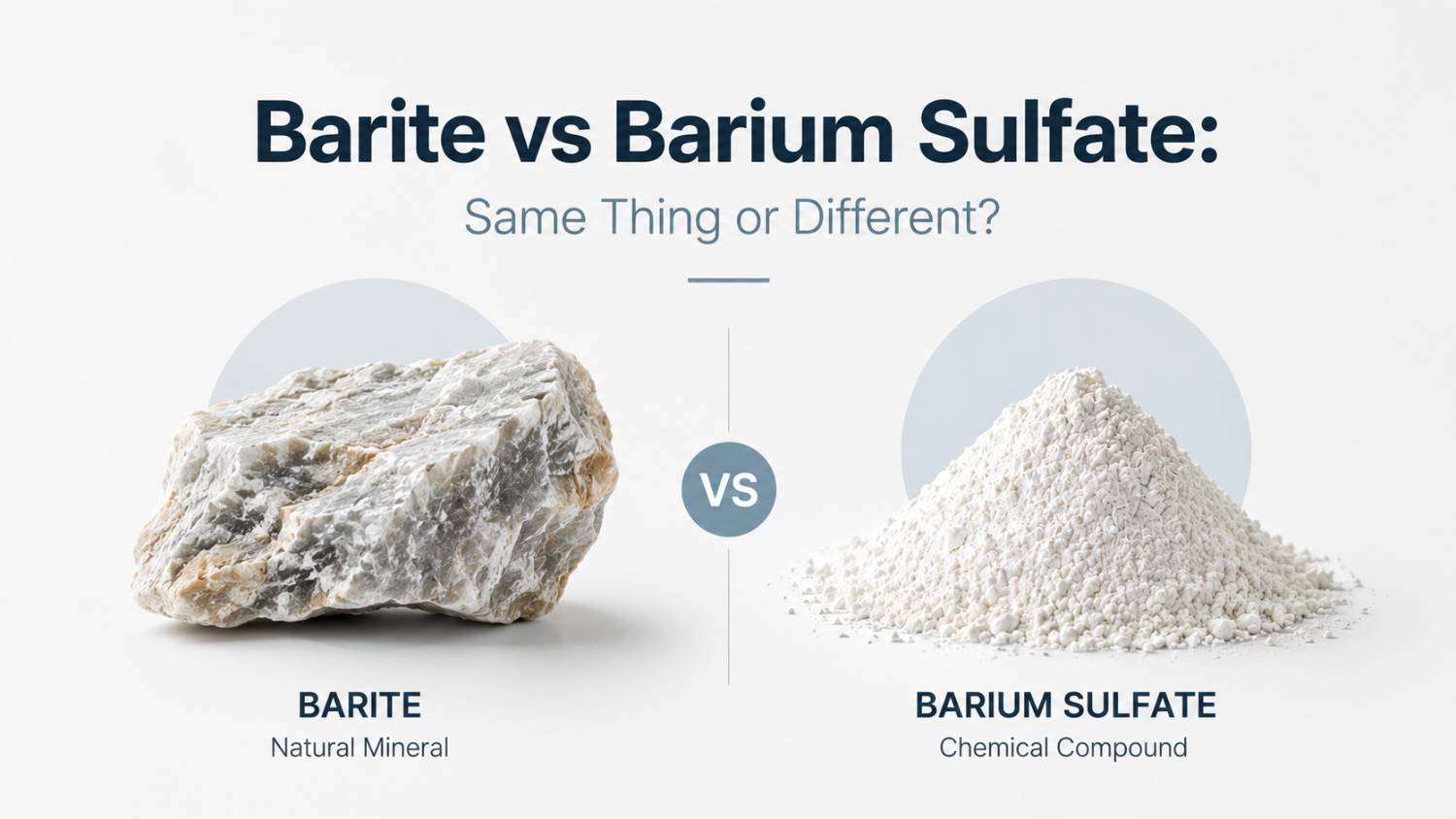
Natural barite and precipitated barium sulfate share the exact same chemical formula, BaSO4, but that’s about where the similarity ends. They’re made completely differently, they land at very different purity
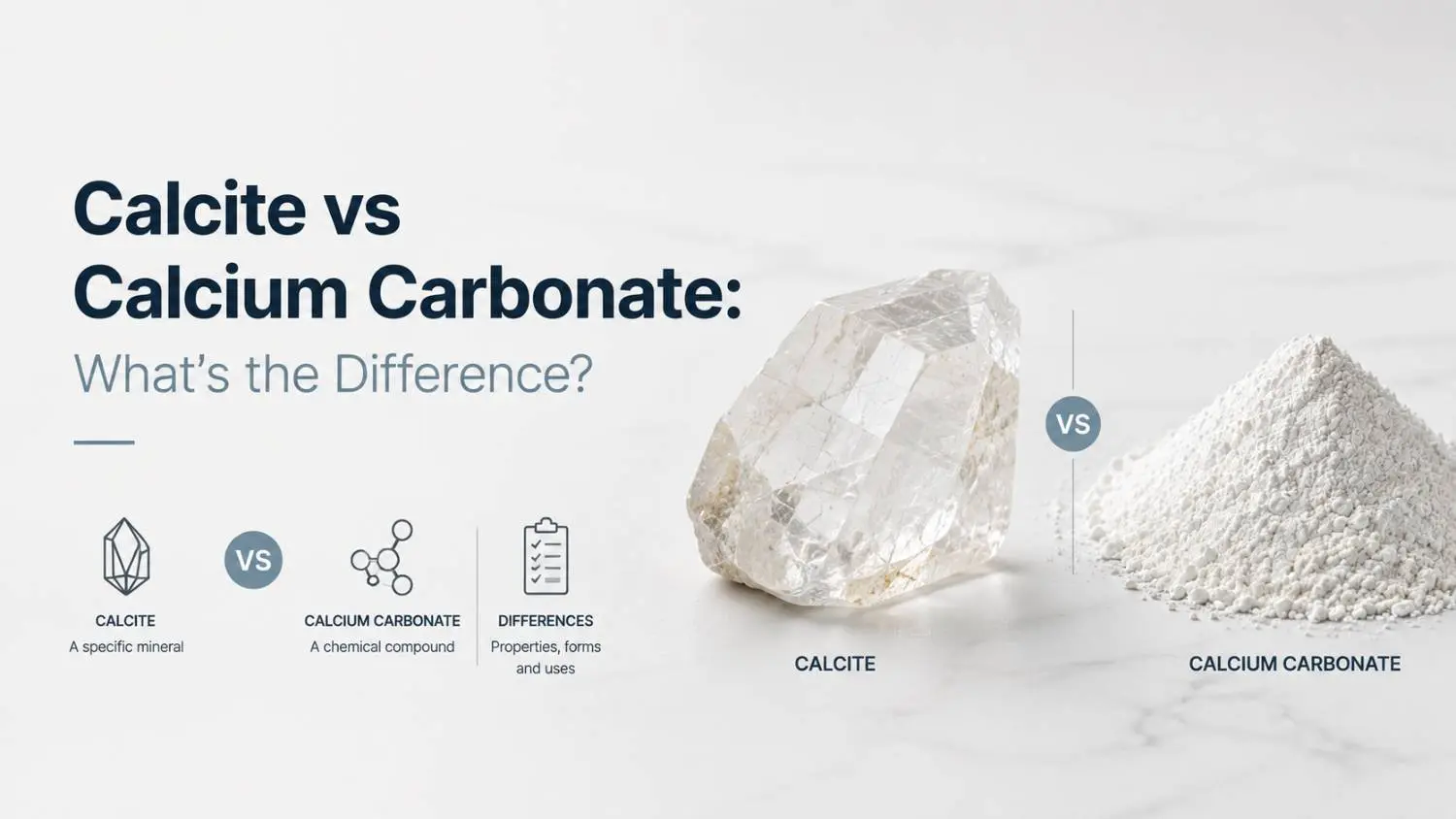
Quick answer first: calcium carbonate is the chemical compound, CaCO3. Calcite is a specific mineral, the most common and stable natural crystal form that compound takes. Calcite is a mineral
Here’s the short answer: all barite is barium sulfate, but not all barium sulfate is barite. Barite is the mineral name, the natural stuff pulled out of the ground. Barium
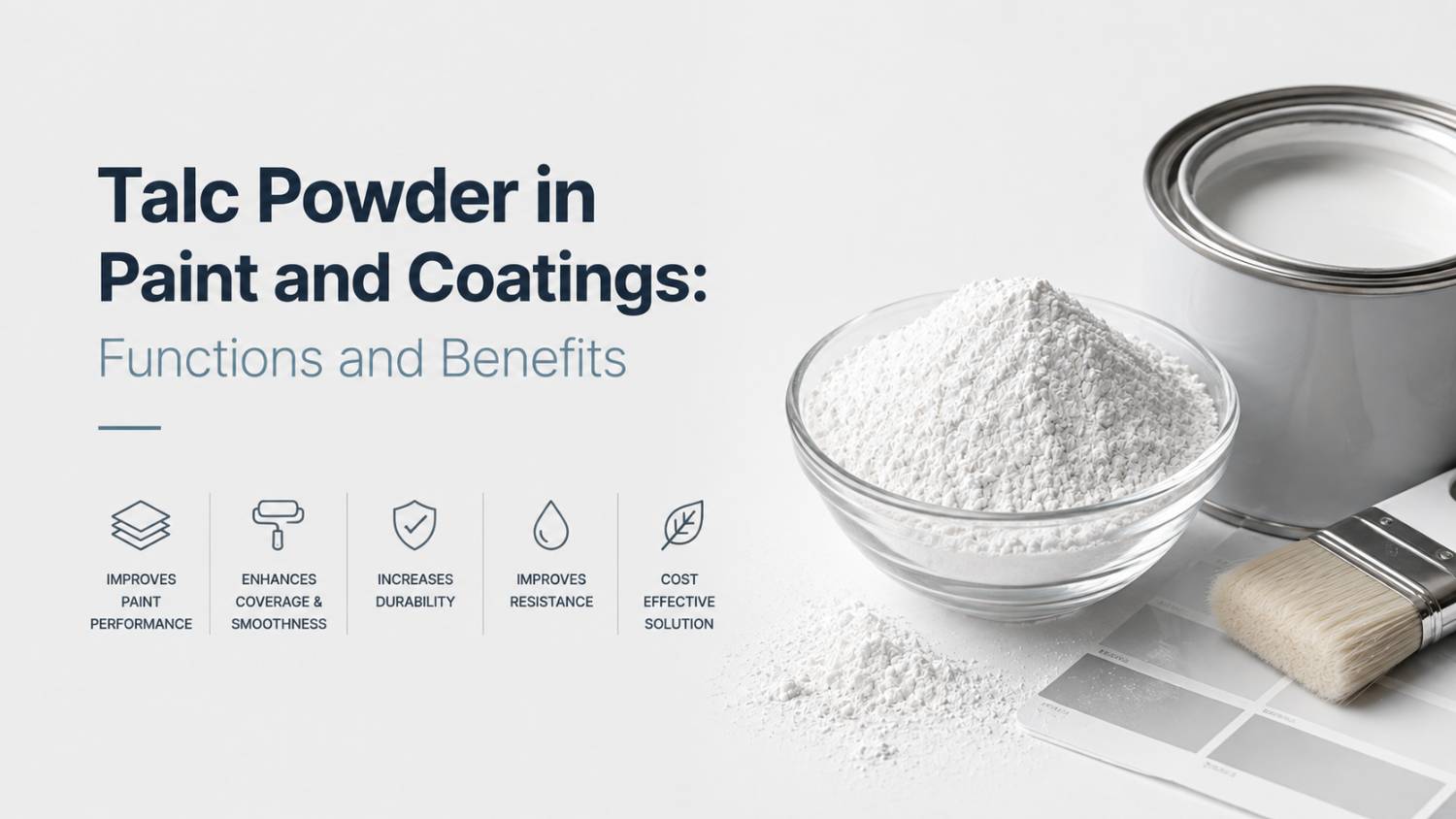
Talc is a multi-functional filler and extender used across water-based, solvent-based, and powder-coat paints and coatings. Talc for paint is valued specifically for its lamellar, flat, plate-like particle structure, which
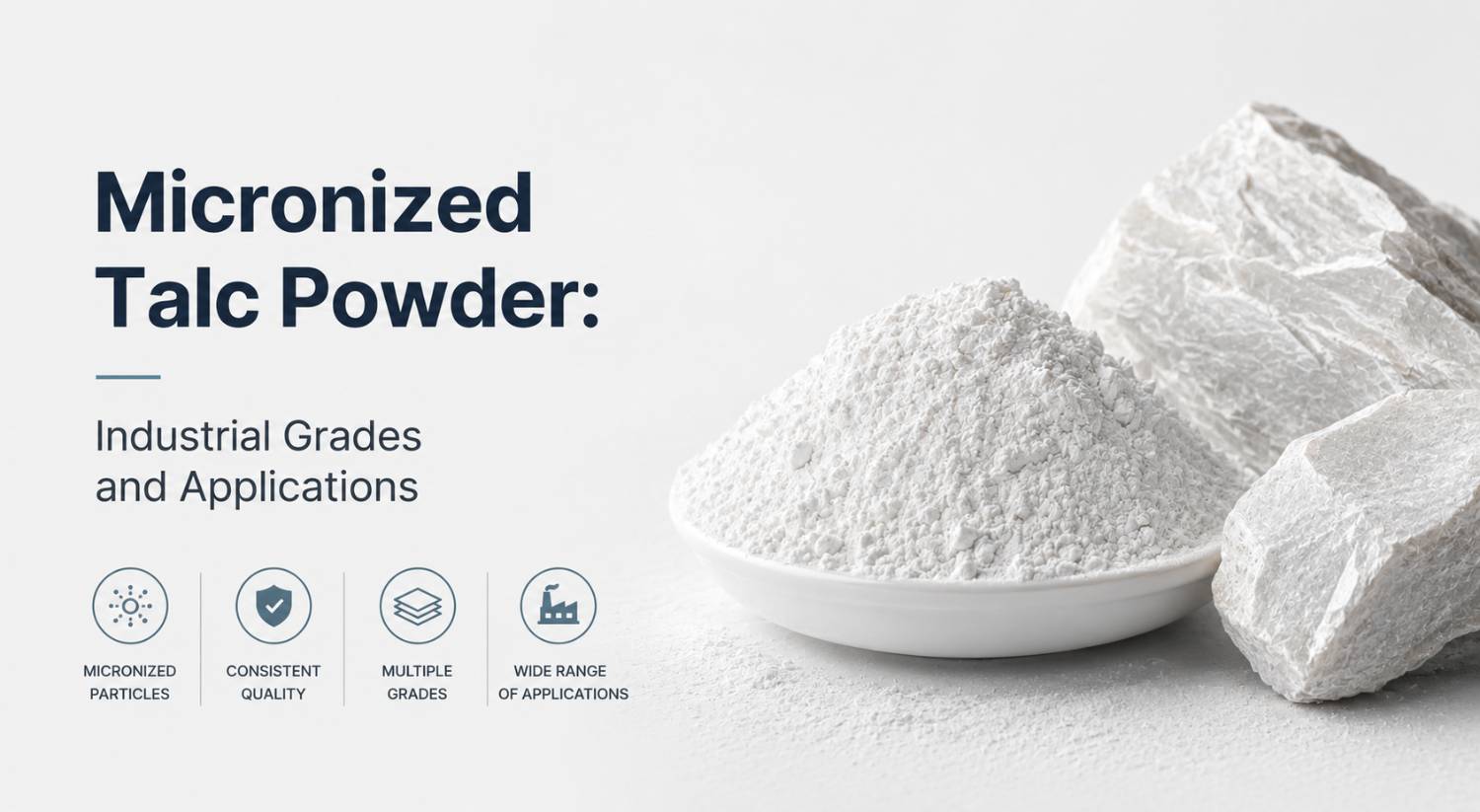
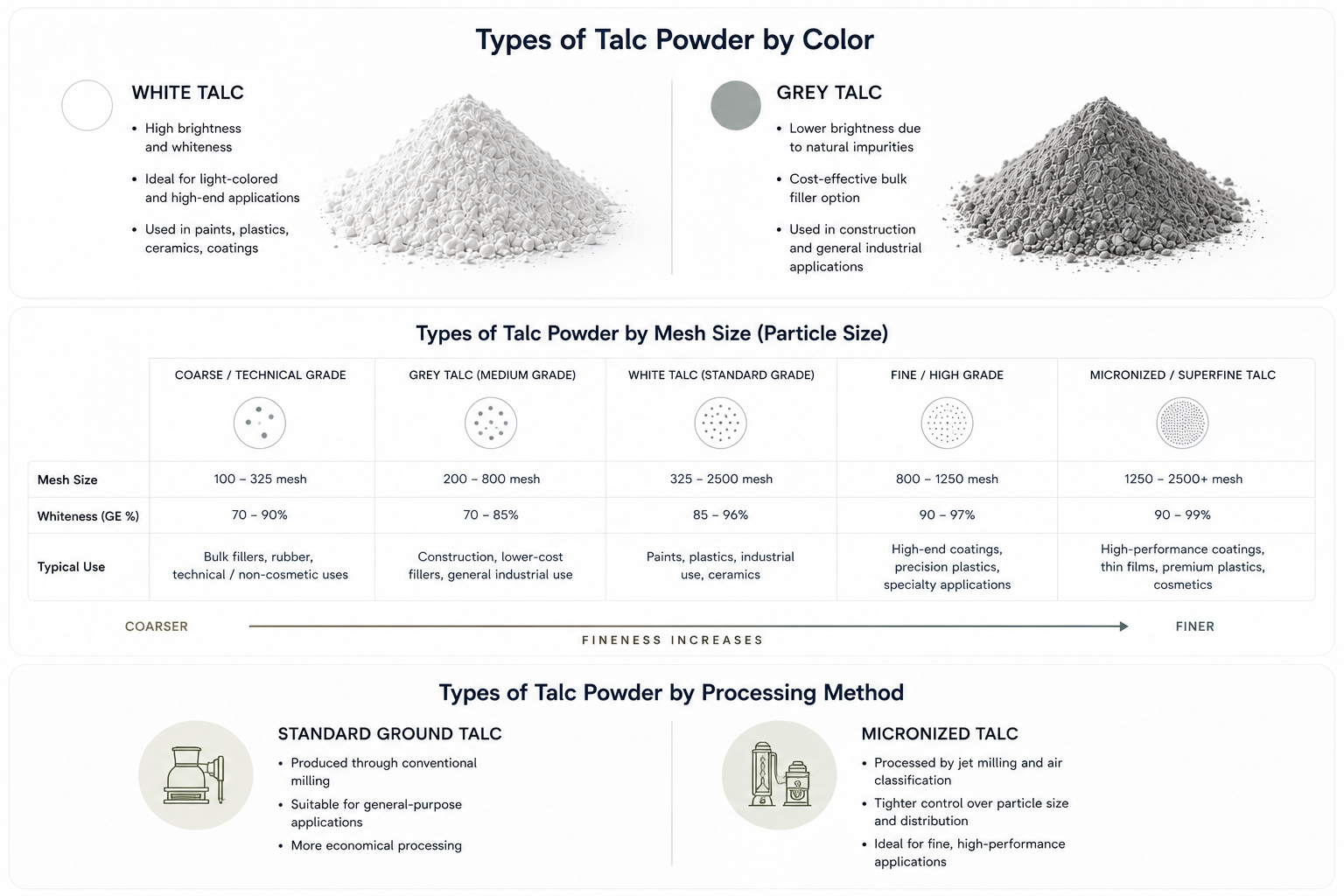
Micronized talc powder is talc that has been finely ground and classified to achieve a specific, controlled particle size distribution, offering improved mechanical strength, processability, and surface finish compared to
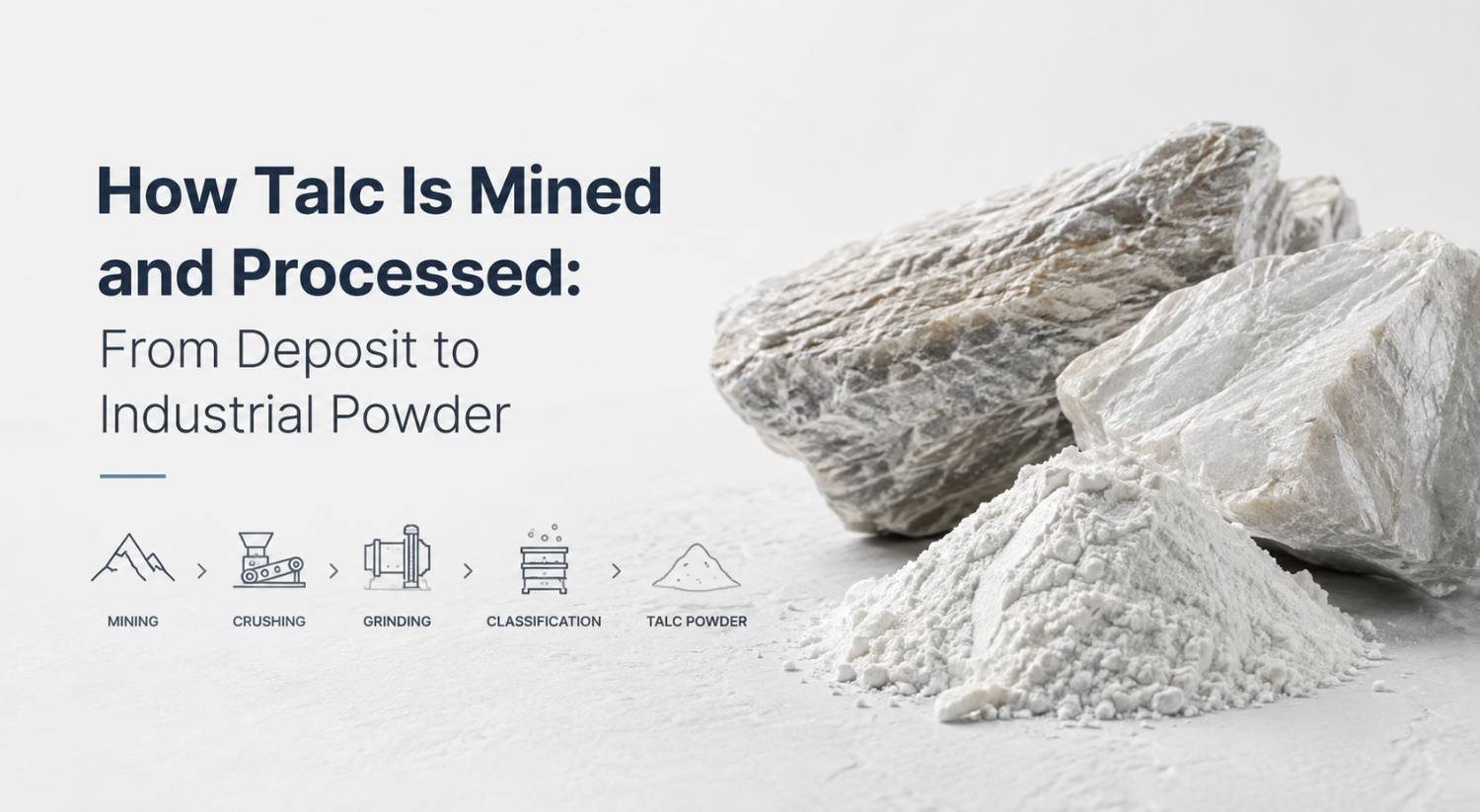
How talc is mined starts long before any machinery touches the rock. Talc is extracted from the ground through mining, usually open-pit and sometimes underground, and from there it goes
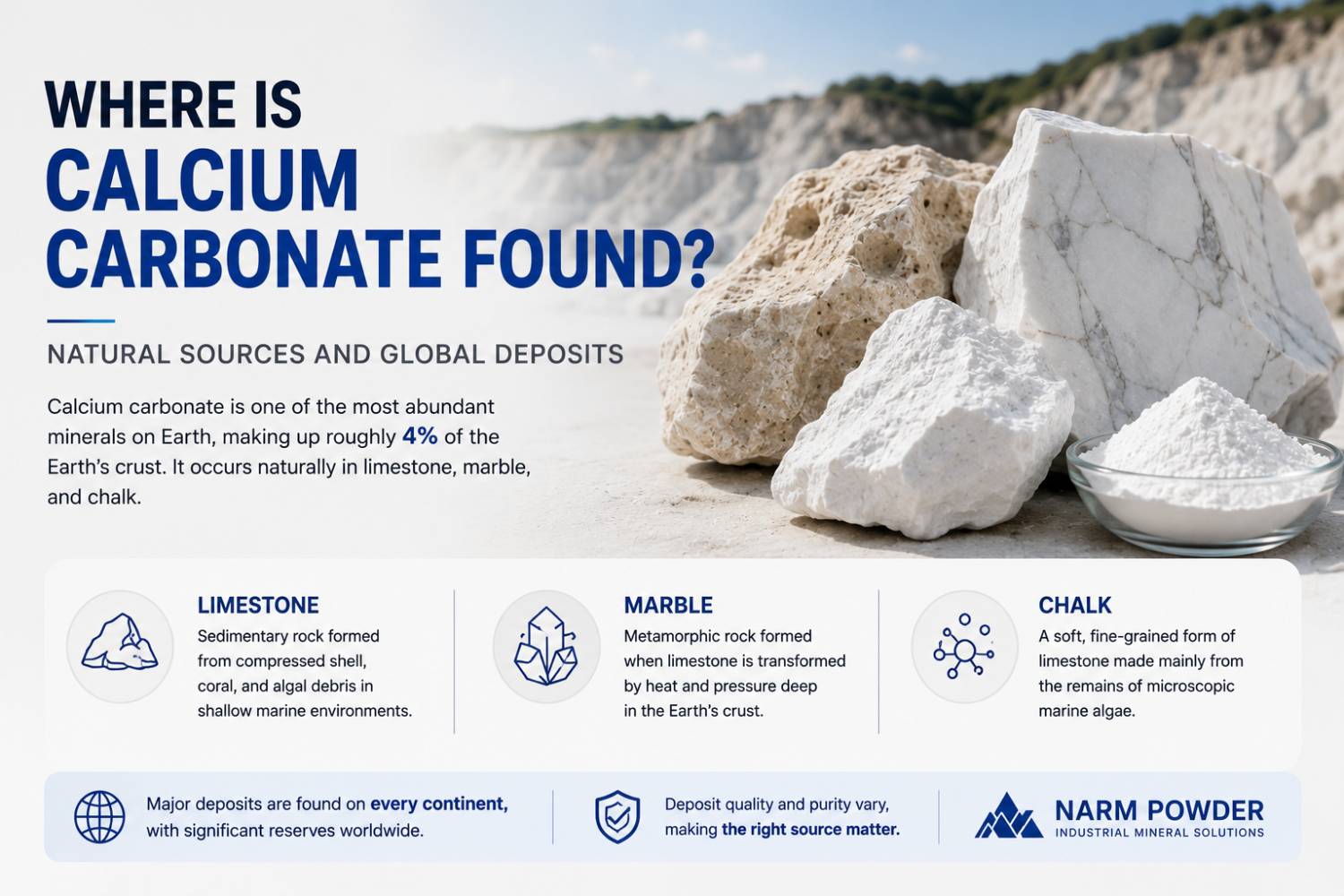
Where is calcium carbonate found? It’s one of the most abundant minerals on Earth, making up roughly 4% of the Earth’s crust, and it occurs naturally in three main rock
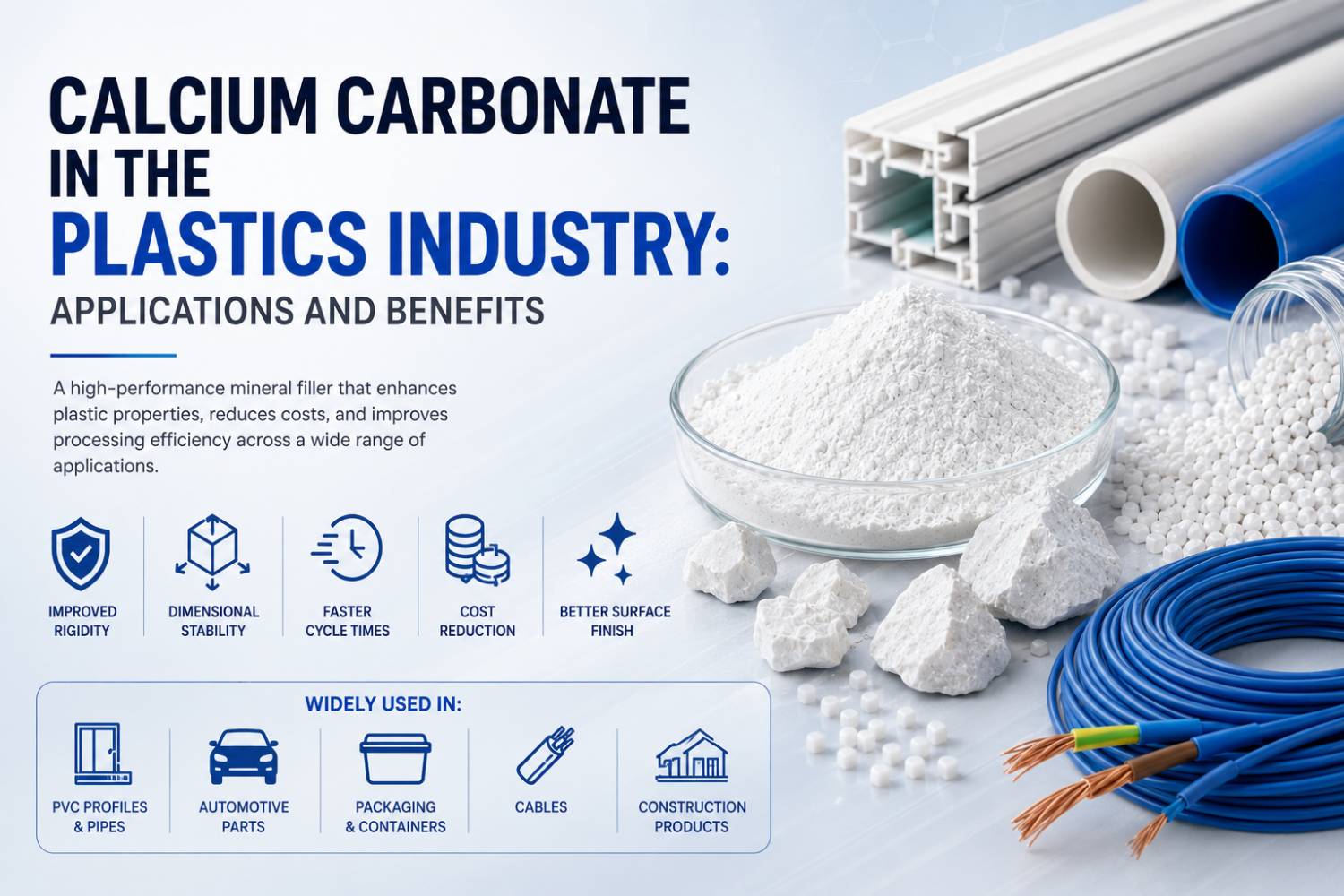
Calcium carbonate plastic filler is one of the most widely used mineral fillers in plastics manufacturing today, valued for its cost-effectiveness, compatibility with major polymers including PVC, PP, and PE,
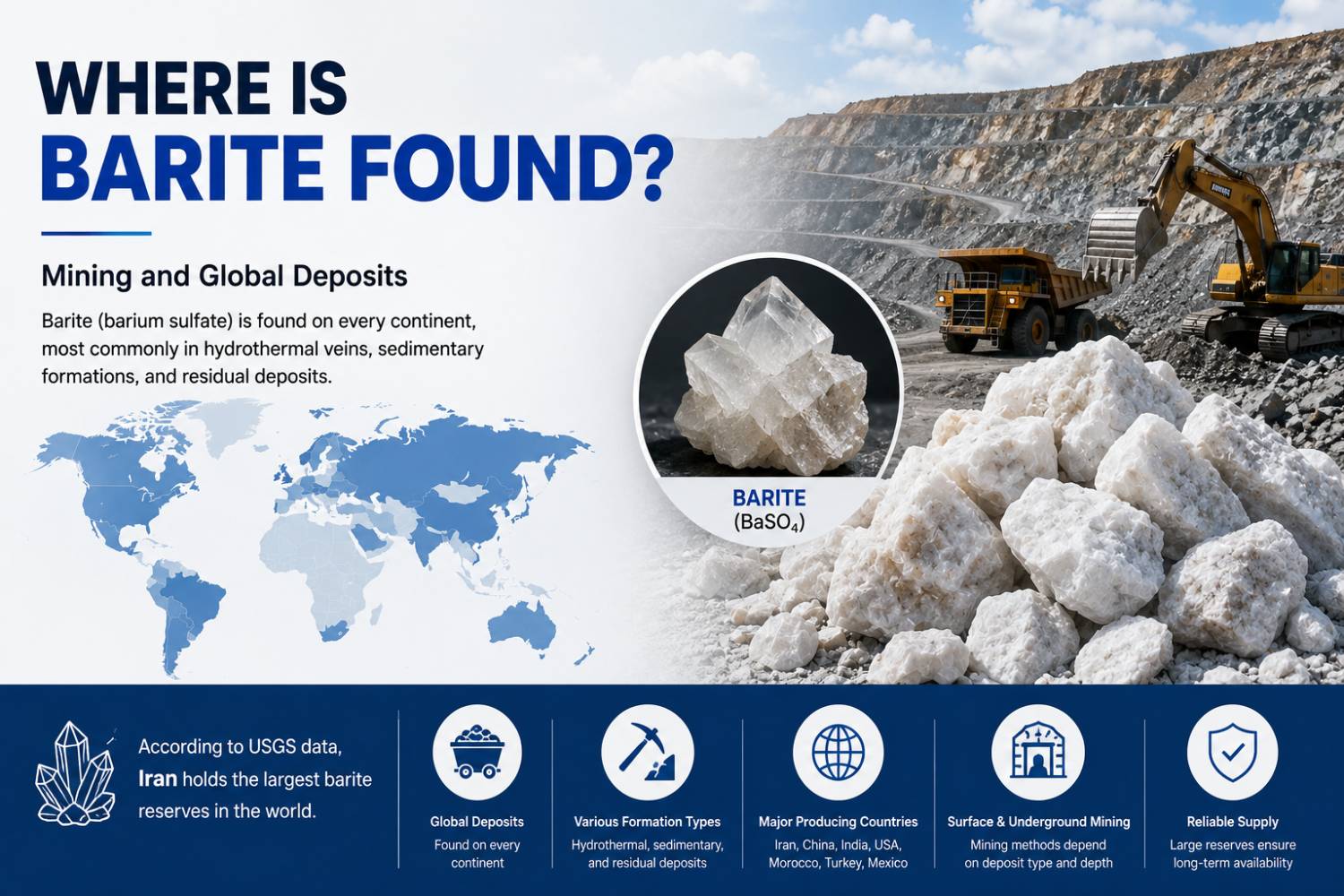
Where is barite found? Barite (barium sulfate) occurs on every continent, most commonly in hydrothermal veins, sedimentary rock formations, and residual deposits left behind by weathering. It’s a dense, non-metallic
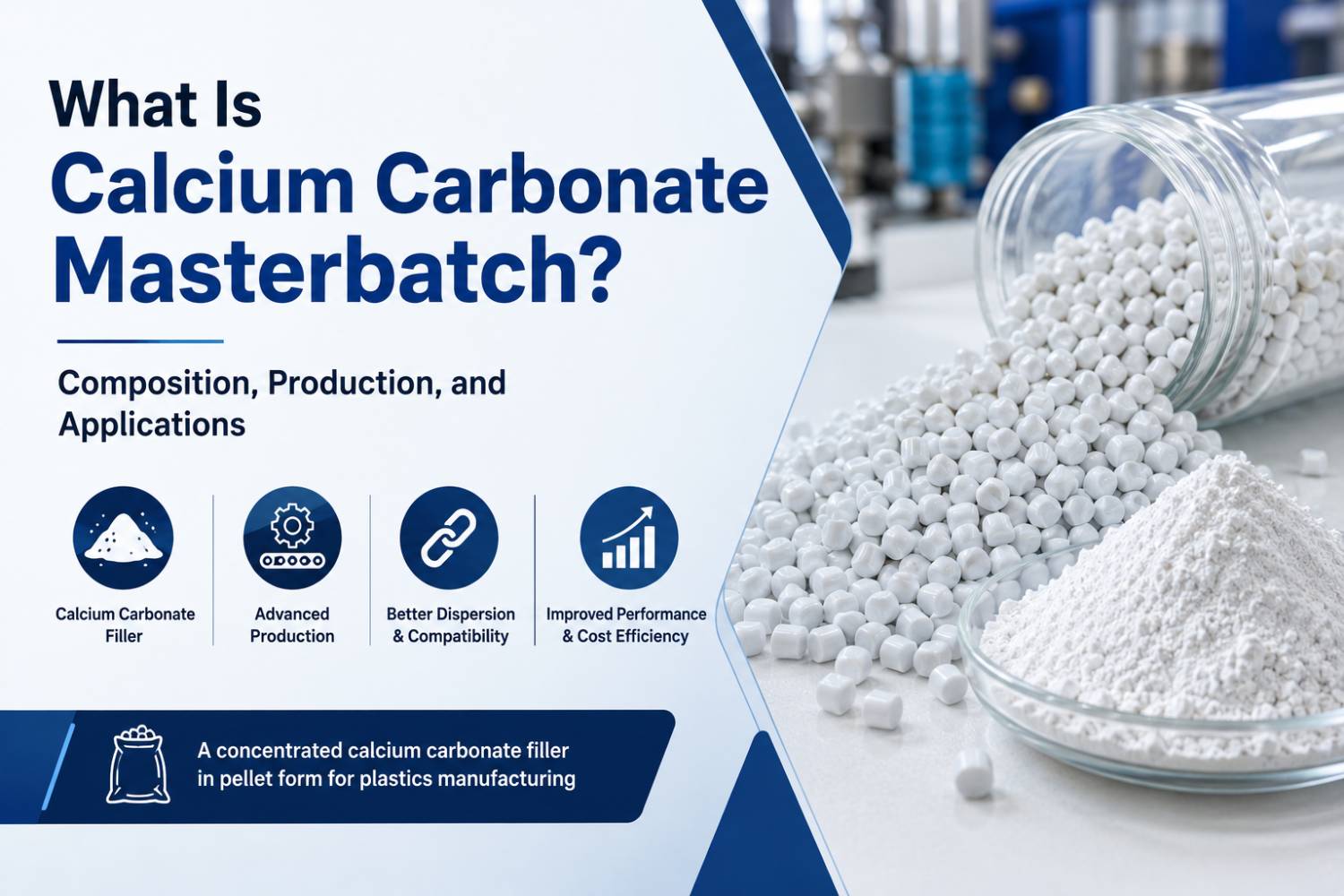
Calcium carbonate masterbatch is a concentrated pellet form that combines calcium carbonate powder, a carrier resin, and plastic additives, formulated to be mixed into virgin resin during plastics manufacturing. It’s
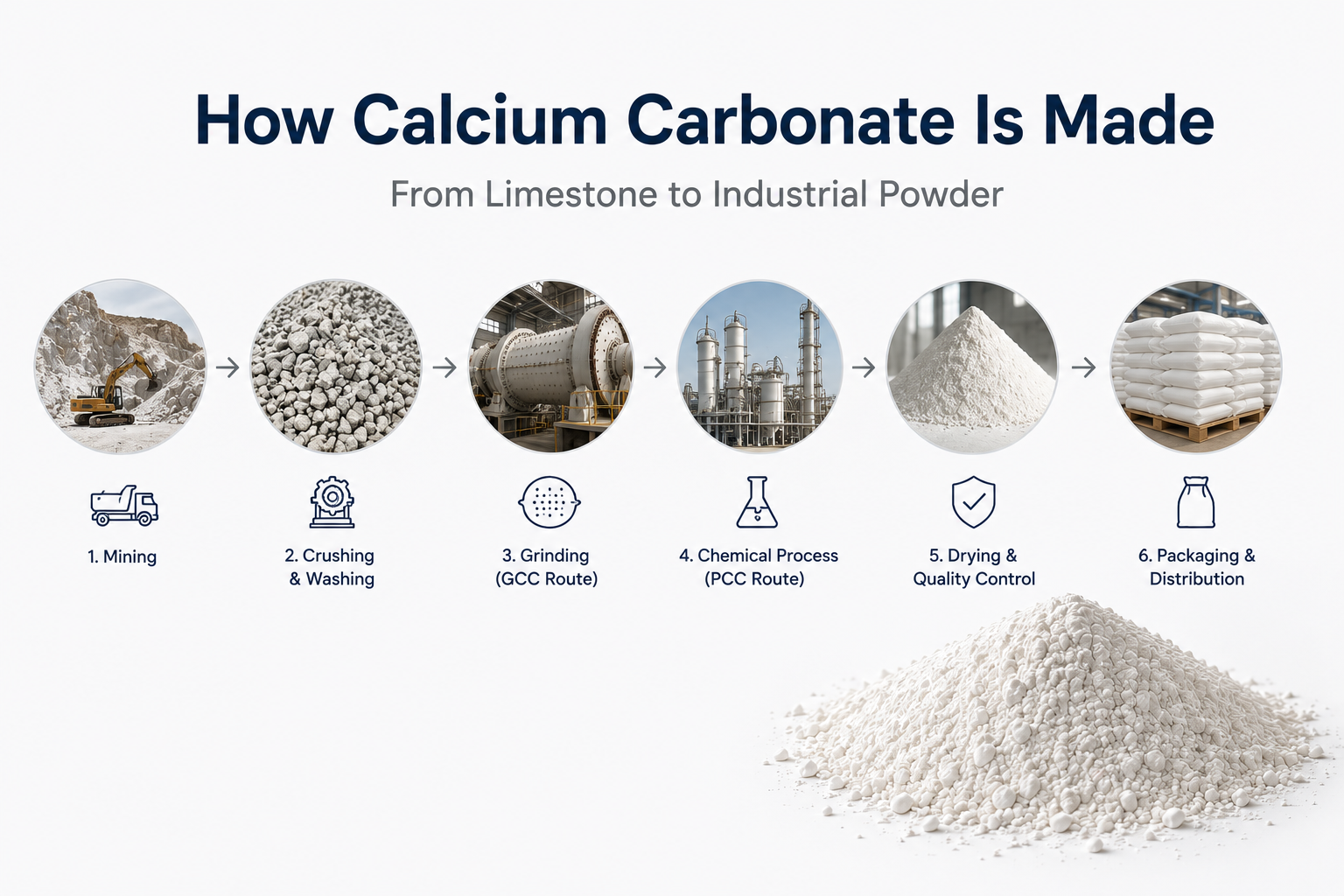
So, how calcium carbonate is made comes down to two things: mining and processing. Calcium carbonate powder starts as natural limestone, marble, or chalk pulled from the ground, then goes
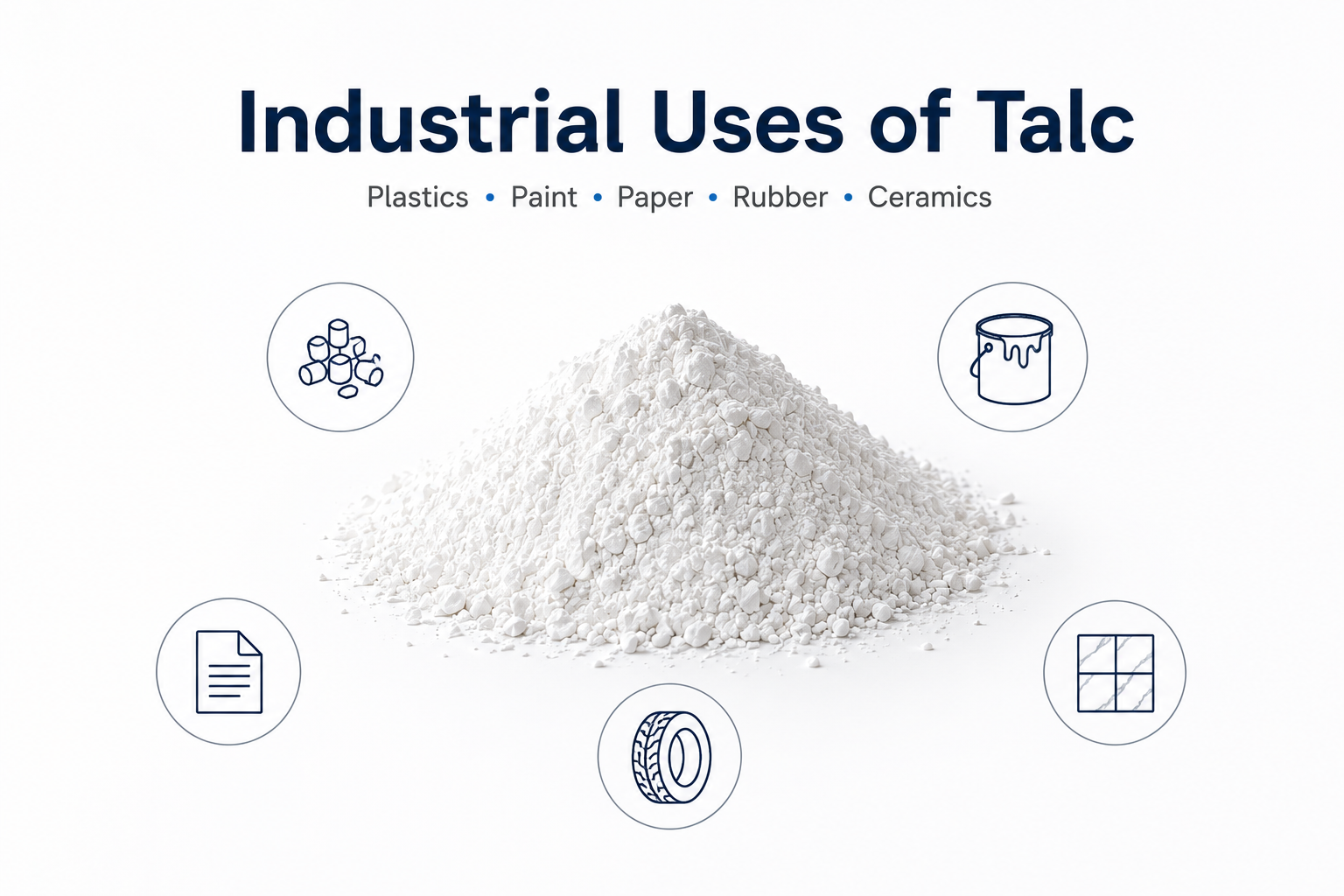
So, what is talc used for? In short, talc is a soft, platy mineral used as a functional filler and processing aid across plastics, paint, paper, rubber, ceramics, and construction.
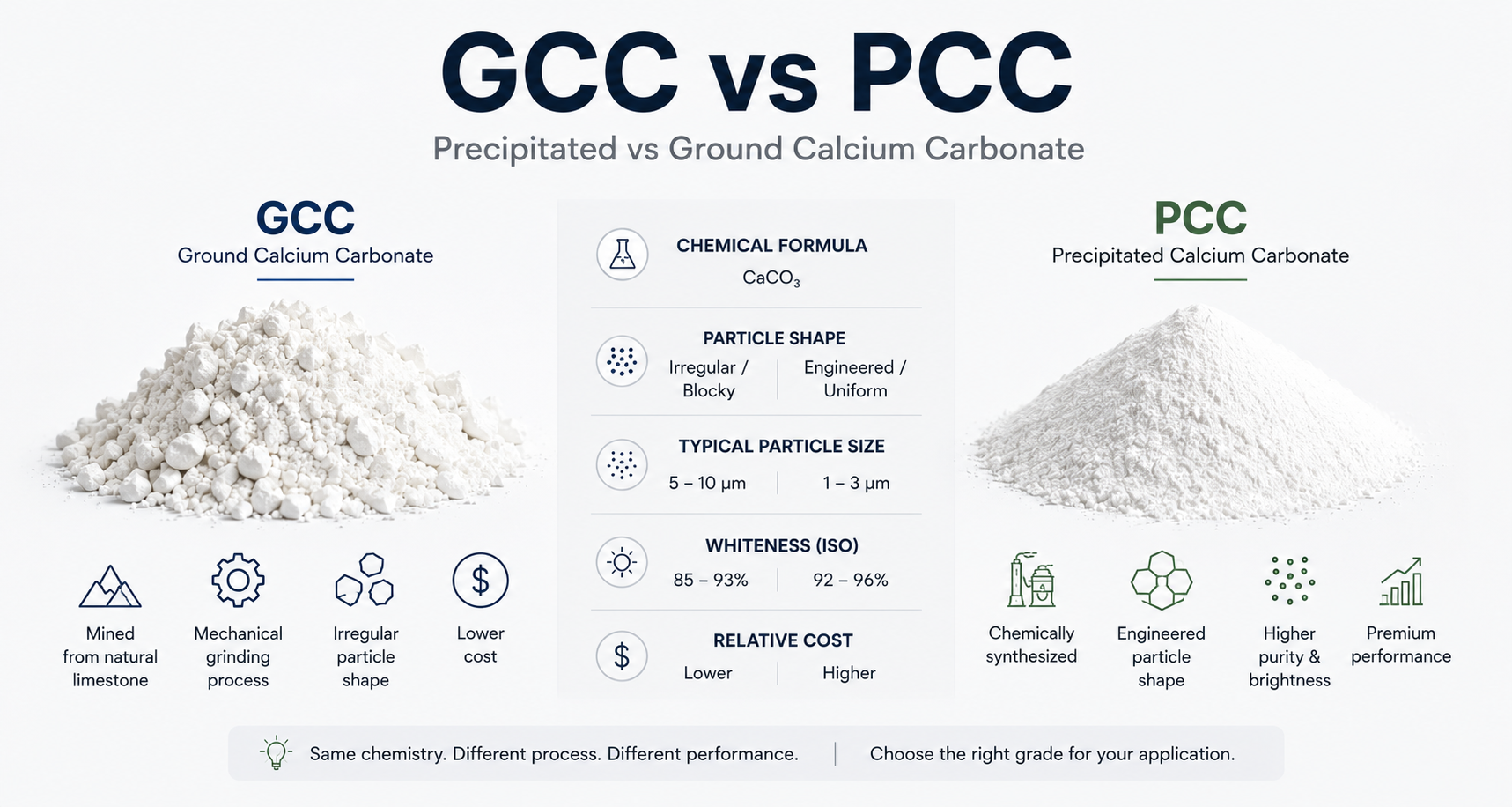
Ground calcium carbonate (GCC) and precipitated calcium carbonate (PCC) share the exact same chemical formula, CaCO₃, but they’re made in completely different ways and end up serving completely different purposes.
Talc is one of the most widely used industrial minerals, but not all talc powder is the same. When you’re sourcing it for paints, plastics, rubber, or construction materials, the
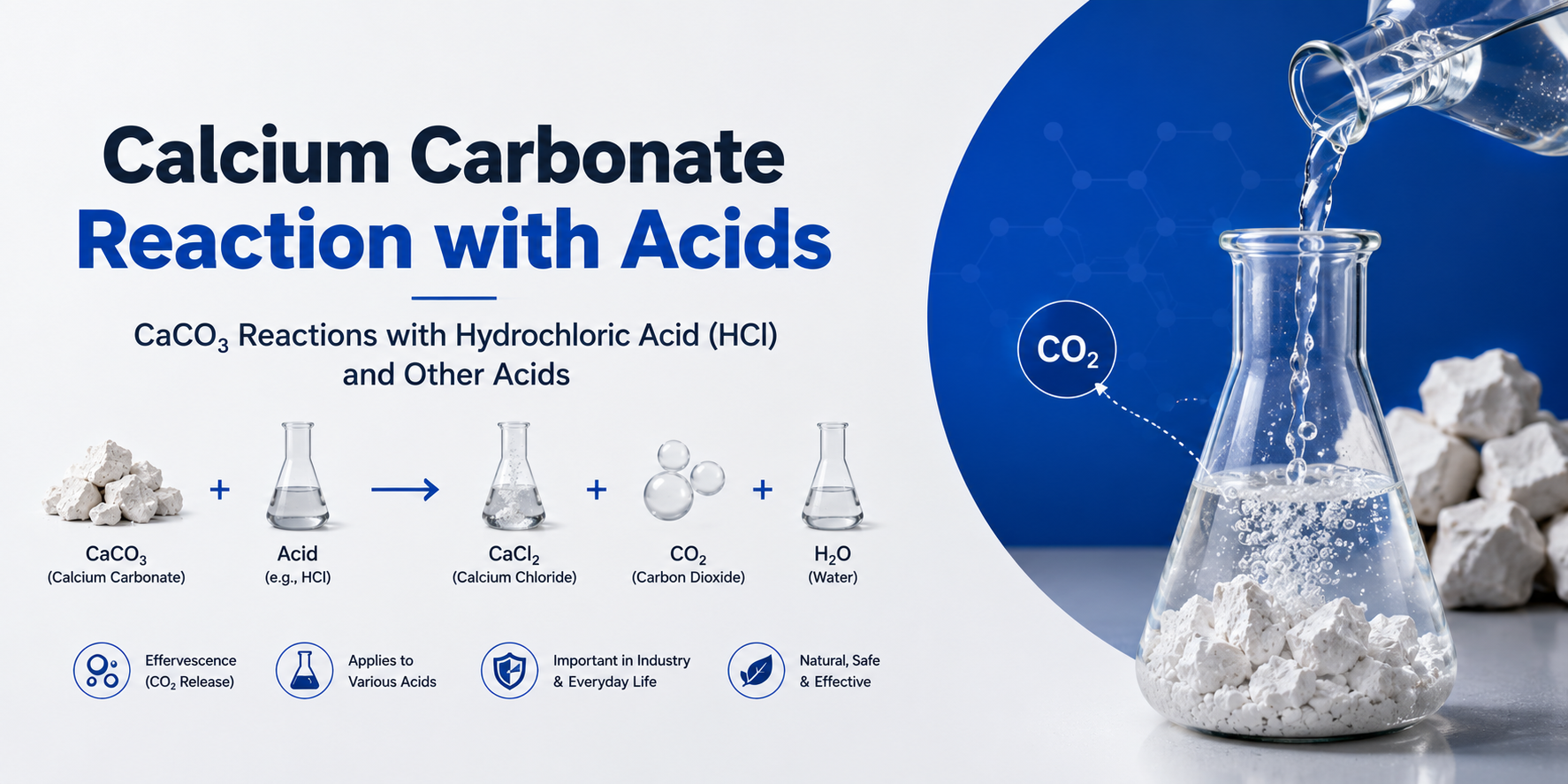
Have you ever noticed limestone or chalk fizzing when it comes into contact with vinegar? This simple yet important phenomenon, forms the basis of the reaction between calcium carbonate and
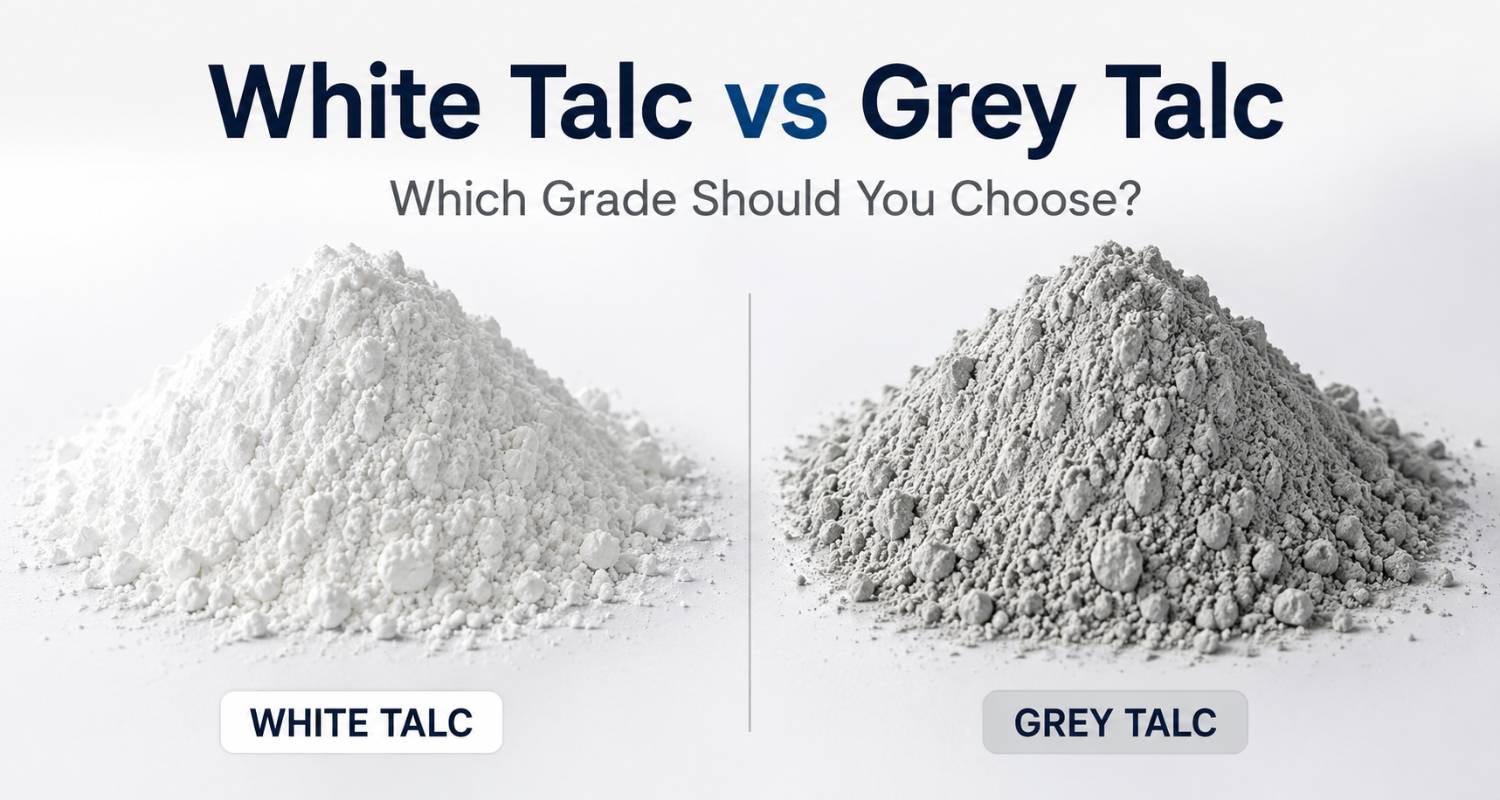
If you’re comparing white talc vs grey talc before placing an order, the decision comes down to three practical factors: whiteness, application, and budget. Neither grade is generically “better”. The
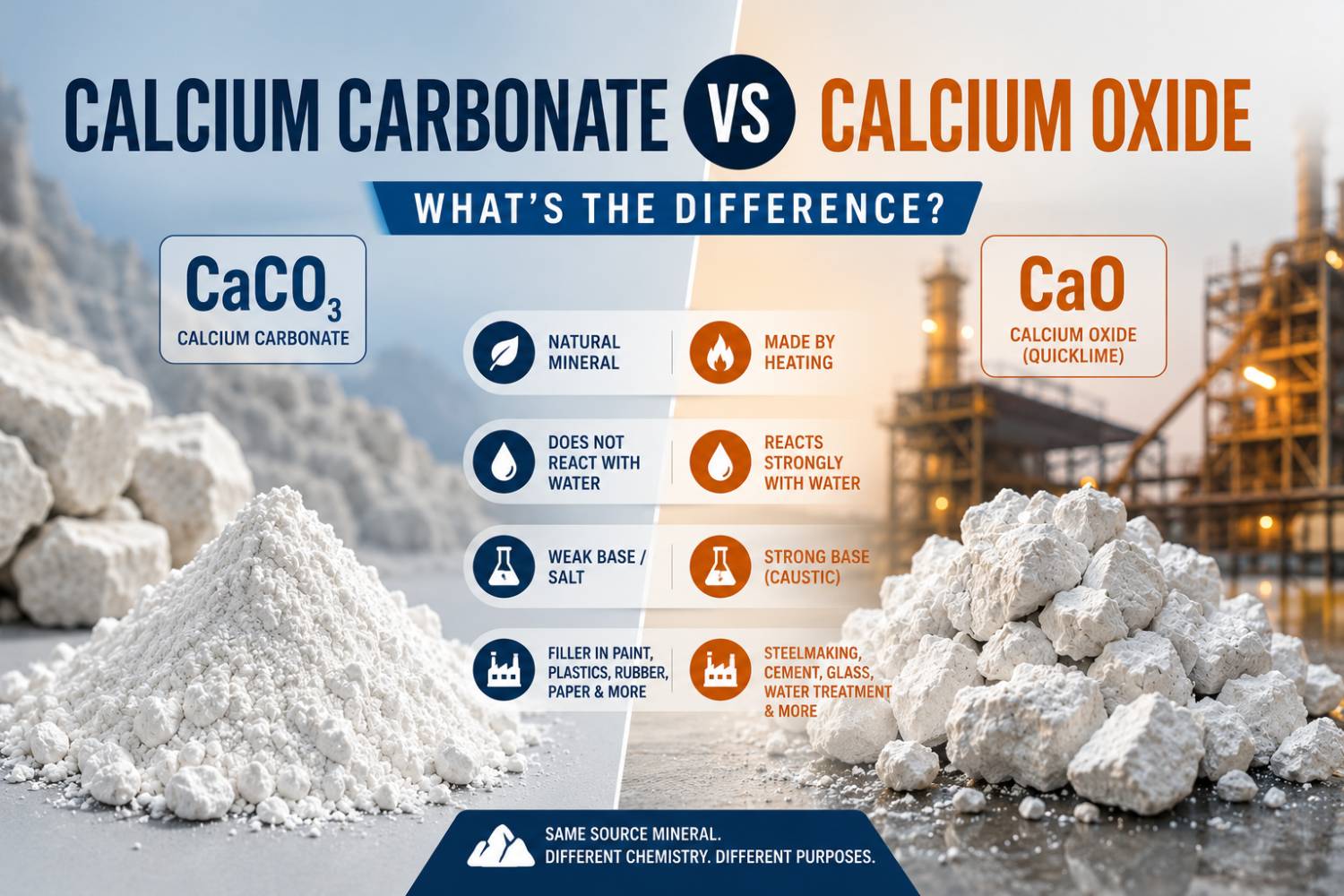
Calcium carbonate and calcium oxide are two different compounds that are easy to mix up, but chemically, they’re not the same thing at all. Calcium carbonate (CaCO₃) is the natural